Mastering Sublimation with the 3D Robot Cracked Hole Tumbler Wrap 12 Design
The landscape of custom drinkware creation has evolved significantly, moving from simple text overlays to complex, immersive visual experiences. At the forefront of this evolution is the integration of three-dimensional aesthetics into two-dimensional sublimation processes. A prime example of this trend is the 3D Robot Cracked Hole Tumbler Wrap 12, a design asset that bridges the gap between digital artistry and physical product customization. For professionals, hobbyists, and business owners in the print-on-demand sector, understanding how to leverage such high-fidelity graphics is essential for standing out in a saturated market.
This article explores the technical nuances, creative applications, and practical considerations of utilizing the 3D Robot Cracked Hole Tumbler Wrap 12 and its accompanying background assets. By dissecting the components of this specific design package, we can gain broader insights into the capabilities of modern sublimation printing and the importance of high-resolution digital resources.
The Visual Impact of 3D Illusions on Skinny Tumblers
The "skinny" tumbler, typically a 20 oz straight-walled vessel, presents a unique canvas for designers. Unlike curved mugs or tapered cups, the straight profile allows for seamless continuity in wrap designs. However, it also demands precision; any misalignment in the pattern is immediately visible to the naked eye. This is where the concept of a 3D seamless pattern becomes invaluable.
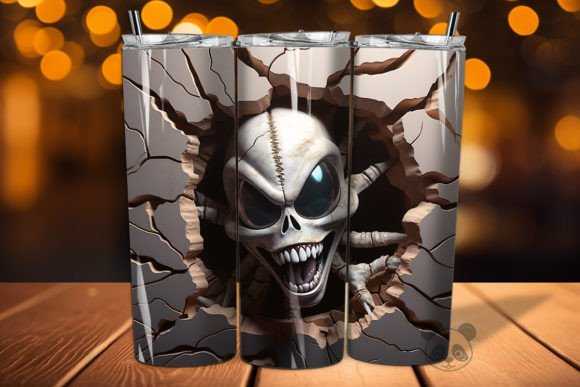
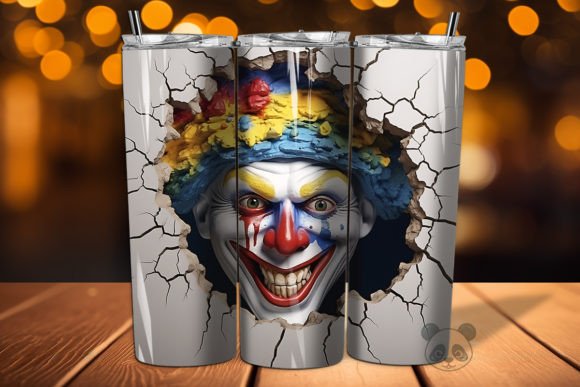
The 3D Robot Cracked Hole Tumbler Wrap 12 utilizes advanced shading and perspective techniques to create an optical illusion. When printed and applied correctly, the flat surface of the tumbler appears to have depth, as if a robotic entity is emerging from or interacting with a fractured surface. This "cracked hole" effect relies heavily on the interplay of light and shadow within the Robot watercolor and 3D background elements. The result is a tactile visual experience that invites the user to look closer, transforming a standard hydration vessel into a piece of wearable art.
For creators, the advantage of using a pre-designed asset like this lies in the complexity of the rendering. Achieving realistic 3D lighting effects on a robot character requires significant expertise in digital illustration software. By utilizing a professional-grade Robot png with transparent backgrounds and high DPI, designers can focus on the application process rather than spending hours on the initial creation of the 3D model.
Technical Specifications and File Integrity
In the world of sublimation, file quality is not merely a suggestion; it is the foundation of a successful print. The 3D Robot Cracked Hole Tumbler Wrap 12 Background and the primary wrap file are engineered to meet rigorous industry standards. Understanding the specifications provided in the digital download is critical for troubleshooting and achieving optimal results.
The package typically includes a PNG File measuring approximately 9.3 inches by 8.2 inches at 300 DPI (dots per inch). This resolution is the gold standard for sublimation printing. Printing at anything less than 300 DPI can result in pixelation, where the individual dots of the image become visible, destroying the illusion of the 3D robot and the smooth gradients of the watercolor effects. The dimensions are specifically calculated to fit a 20 oz skinny tumbler, accounting for the circumference and the necessary overlap for a seamless finish.
- Format: PNG (Portable Network Graphics) ensures lossless compression and supports transparency, which is vital for layering the robot over different background colors if desired.
- Resolution: 300 DPI guarantees crisp lines and smooth color transitions, essential for the metallic sheen often associated with robot designs.
- Dimensions: 9.3 x 8.2 inches provides the exact coverage needed for standard 20 oz straight tumblers without excessive waste or insufficient coverage.
It is important to note that these are instant digital downloads. The user receives a ZIP file containing the necessary assets immediately after purchase. There are no physical items shipped. This immediacy allows for rapid prototyping and production, enabling businesses to respond quickly to trending designs without waiting for inventory.
Workflow Integration for Sublimation Professionals
Integrating the 3D Robot Cracked Hole Tumbler Wrap 12 into a production workflow requires more than just hitting "print." It involves a series of deliberate steps to ensure the final product matches the digital preview. Since the item does not include physical goods, the burden of execution falls entirely on the creator's knowledge of sublimation mechanics.
The process begins with file preparation. Even though the design is sized at 9.3 x 8.2 inches, slight adjustments may be necessary depending on the specific brand of the tumbler blank being used. Manufacturers vary slightly in their dimensions. Professionals often create a template in their design software (such as Adobe Illustrator, Photoshop, or Canva) to map the wrap accurately. The Robot seamless pattern feature of the background allows for easy extension if a slightly larger blank is being used, ensuring no white gaps appear at the seam.
Once the design is positioned, it must be mirrored horizontally. Sublimation transfers the image in reverse; failing to mirror the Robot tumbler wrap will result in backward text or asymmetrical robot features that look incorrect. After printing on high-quality sublimation paper using appropriate ink profiles, the wrapping process begins. The paper must be secured tightly against the tumbler using heat-resistant tape. Any air pockets between the paper and the coating of the tumbler can cause ghosting or blurring, which would ruin the intricate details of the 3D design.
The heating phase is equally critical. Standard settings for a 20 oz skinny tumbler usually involve temperatures around 380°F (193°C) for approximately 5 to 6 minutes, but this varies by press and blank manufacturer. The even pressure of the convection oven or tumbler press ensures that the gasified ink penetrates the polymer coating uniformly, locking in the vibrant colors of the Robot background and the metallic tones of the robot itself.
Diverse Applications Beyond Drinkware
While the primary intent of the 3D Robot Cracked Hole Tumbler Wrap 12 is for 20 oz skinny tumblers, the versatility of the high-resolution PNG files opens doors to various other applications. Creators who understand the scalability of vector-like raster images can adapt these assets for a wider range of products, maximizing the value of their digital purchase.
For instance, the Robot png element, isolated from the background, can be utilized for creating stickers, decals, or iron-on transfers for apparel. The watercolor texture adds a softness that contrasts beautifully with the hard-edged robotic theme, making it suitable for children's clothing or tech accessories. Furthermore, the seamless pattern background can be tiled to create fabric prints, wrapping paper, or digital wallpapers for tablets and phones.
Educators and researchers involved in STEM (Science, Technology, Engineering, and Mathematics) programs might find these designs particularly engaging. Using a 3D Robot theme on reusable water bottles can serve as a conversation starter in classrooms, promoting both environmental awareness (through reusable containers) and interest in robotics. The "cracked hole" aesthetic could even be used in storytelling projects, where students imagine what lies behind the crack, fostering creativity and narrative skills.
Business owners in the niche market of gaming peripherals or tech accessories can also leverage these designs. A matching set of a tumbler and a laptop sleeve featuring the same Robot 3D seamless pattern creates a cohesive brand identity. The ability to scale the design without losing quality ensures that the artwork remains sharp whether it is shrunk for a mousepad or enlarged for a wall poster.
Considerations for Quality and Longevity
When working with digital assets like the 3D Robot Cracked Hole Tumbler Wrap 12 Background, the longevity of the final product depends heavily on the materials used during the physical production phase. The digital file is only as good as the substrate it is printed on.
To ensure the vibrancy of the Robot watercolor effects and the durability of the 3D tumbler wrap, it is imperative to use tumblers with a high-quality polyester coating. Cheap blanks with thin or uneven coatings may result in dull colors and poor adhesion, causing the design to peel or fade after repeated washing. Additionally, the care instructions provided to the end consumer play a role in preservation. Hand washing is generally recommended for sublimated products to maintain the integrity of the image, although high-quality coats can withstand occasional dishwasher cycles on the top rack.
Another consideration is color management. Monitors display colors in RGB (Red, Green, Blue), while sublimation printers operate in CMYK (Cyan, Magenta, Yellow, Key/Black). The 3D design may appear differently on screen than on paper. Professionals should utilize ICC profiles specific to their printer, ink, and paper combination to ensure the robot's metallic hues and the background's depth are reproduced accurately. Calibration is key to preventing the "cracked hole" from looking like a muddy smudge due to color shifting.
The Role of Digital Assets in the Creator Economy
The availability of specialized files like the Robot skinny tumbler wrap highlights a shift in the creator economy. Artists and designers no longer need to be experts in every facet of production. Instead, they can curate high-quality digital assets and focus on the customization and application aspects of their business. This division of labor allows for greater efficiency and higher quality end products.
For the consumer, this means access to professionally designed goods that were previously cost-prohibitive to produce individually. For the hobbyist, it lowers the barrier to entry, allowing them to create gift-worthy items with minimal artistic training. The Instant Digital Download PNG model supports this ecosystem by providing immediate access to tools that fuel creativity.
Moreover, the specificity of the design—such as the "Cracked Hole" theme—allows for targeted marketing. Niche audiences, such as fans of sci-fi, robotics, or dystopian art styles, are more likely to engage with products that speak directly to their interests. Using a generic robot image might yield average results, but a dynamic, 3D-rendered robot breaking through a surface tells a story and captures attention.
Future Trends in Sublimation Design
As technology advances, the demand for hyper-realistic and textured designs like the 3D Robot Cracked Hole Tumbler Wrap 12 is expected to grow. We are moving away from flat, cartoonish graphics toward designs that mimic physical textures—metal, glass, stone, and water. The success of such designs relies on the fidelity of the source file. The inclusion of a dedicated Robot background that complements the main subject demonstrates an understanding of holistic design, where every element contributes to the overall illusion.
Furthermore, the integration of augmented reality (AR) with sublimation prints is on the horizon. Imagine scanning a Robot tumbler wrap with a smartphone and seeing the robot animate in 3D space. While this is currently futuristic, the high-resolution, distinct features of designs like the 3D Robot provide the perfect markers for such technology to latch onto. Preparing for these future possibilities starts with maintaining high standards in current digital asset creation and usage.
In conclusion, the 3D Robot Cracked Hole Tumbler Wrap 12 represents more than just a picture for a cup. It is a testament to the capabilities of modern digital design and sublimation printing. By understanding the technical requirements, respecting the file specifications, and creatively applying these assets across various mediums, creators can produce exceptional work that resonates with a broad audience. Whether for a small business looking to expand its catalog or a hobbyist seeking to perfect their craft, mastering the use of such detailed digital wraps is a valuable skill in today's visual-centric marketplace.