Integrating the 3D Robot Cracked Hole Tumbler Wrap into Your Sublimation Workflow
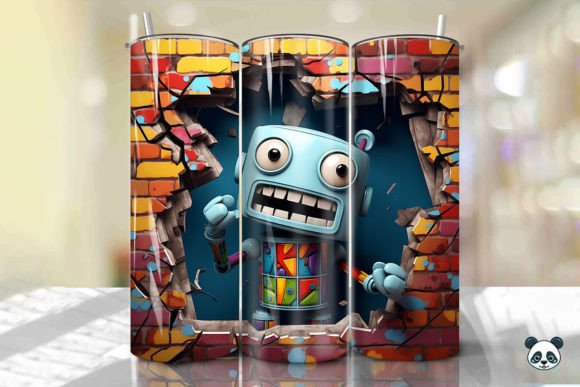
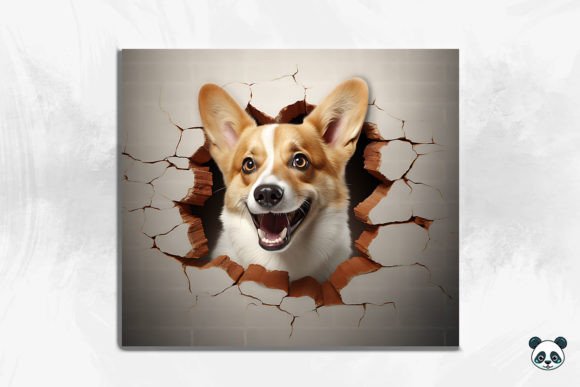
In the competitive landscape of custom merchandise, the difference between a standard product and a best-seller often lies in the quality and uniqueness of the design assets used. For sublimation professionals and small business owners, integrating high-fidelity digital assets like the 3D Robot Cracked Hole Tumbler Wrap is not merely about applying an image; it is a strategic step in a broader production workflow. This specific design, featuring a futuristic robot emerging from or interacting with a cracked surface, offers a distinct aesthetic that appeals to tech enthusiasts, gamers, and sci-fi fans. Understanding how to effectively incorporate this 20 oz skinny tumbler sublimation design into your daily operations can streamline your process, reduce errors, and elevate the perceived value of your final products.
Asset Evaluation and Pre-Production Planning
Before any printing begins, the integration of a new digital asset starts with evaluation. When you acquire an instant digital download PNG, such as the 3D Robot Cracked Hole Tumbler Wrap, the first phase of your workflow involves verifying the file specifications against your hardware capabilities. The provided file typically comes in a ZIP archive containing a single PNG file sized at approximately 9.3 inches by 8.2 inches at 300 DPI. This resolution is critical for sublimation, where anything below 300 DPI can result in pixelation or loss of detail, especially on curved surfaces like tumblers.
Professionals should treat this download as a raw material that requires preparation. Upon extracting the file, it is advisable to open it in your preferred design software (such as Adobe Photoshop, Illustrator, or Canva) to inspect the color profile. Sublimation printers often utilize CMYK profiles, while digital downloads are frequently in RGB. A quick check ensures that the vibrant colors of the 3D robot and the depth of the cracked hole background will translate accurately from screen to substrate. This pre-production step prevents costly reprints and material waste, ensuring that the "3D" effect of the design maintains its visual impact after the heat transfer process.
Seamless Integration with Design Software and Templates
The utility of the Robot seamless pattern and the main wrap design lies in its compatibility with standard industry templates. Since this asset is designed specifically for a 20 oz skinny tumbler, it fits precisely within the dimensions required for straight tumbler wraps. However, successful implementation requires more than just dragging and dropping the image onto a canvas.
To maximize efficiency, creators should set up master templates in their design software that include bleed lines and safe zones. The 3D Robot Cracked Hole Tumbler Wrap Background is engineered to wrap around the cylinder without obvious seams if aligned correctly. When placing the PNG into your template, pay close attention to the orientation of the robot. Depending on your brand's style, you might choose to have the robot facing forward or create a continuous pattern if you are using the seamless elements for larger batches. Using layers in your software allows you to add personalized text, logos, or additional graphic elements on top of the robot background without altering the original high-resolution file. This non-destructive editing approach preserves the integrity of the 3D design for future use.
Optimizing the Printing and Heat Press Process
Once the design is finalized in your software, the workflow moves to the physical execution phase. The quality of the 3D tumbler wrap is heavily dependent on the printing method. For sublimation, using high-quality sublimation paper and ink is non-negotiable. The intricate details of the "cracked hole" effect and the shading on the robot require precise ink deposition to avoid banding or color shifting.
During the wrapping stage, consistency is key. Because the design features a specific focal point (the robot), alignment during the taping process is crucial. Unlike abstract patterns where minor shifts are unnoticeable, a character-based design like this requires the image to be centered perfectly on the tumbler's face. Use heat-resistant tape to secure the sublimation paper tightly against the 20 oz skinny tumbler, ensuring there are no air pockets. Air gaps can cause ghosting, which would ruin the crisp edges of the 3D robot illustration.
The heat press settings must also be calibrated to the specific coating of the tumbler. While general guidelines suggest temperatures around 380°F for 5-6 minutes, always perform a test press with a scrap piece of the same design if possible. The dark tones in the robot background may require slight adjustments in time or pressure to ensure full saturation without scorching the polymer coating. Monitoring these variables ensures that the final product reflects the high quality of the original digital download.
Expanding Product Lines and Business Applications
Beyond the immediate production of a single tumbler, the 3D Robot Cracked Hole Tumbler Wrap serves as a versatile asset for expanding your product catalog. The inclusion of a seamless pattern in the design package opens opportunities for creating matching accessories. You can utilize the repeating robot elements to design coasters, mouse pads, or even phone cases that complement the tumbler, offering customers a cohesive "tech-robot" themed collection.
For marketers and entrepreneurs, this design fits well into seasonal campaigns or niche targeting. The futuristic aesthetic appeals to specific demographics, such as coding bootcamps, gaming communities, or STEM educators. By having this asset ready in your library, you can quickly respond to trends or bulk order requests without the lead time associated with commissioning custom artwork. The instant digital download nature of the file means you can scale production up or down based on demand, maintaining a lean inventory model where you only print what is sold.
Maintenance, Organization, and Long-Term Usability
Effective workflow management extends to how you store and organize your digital assets. After purchasing and using the 3D Robot Cracked Hole Tumbler Wrap, proper file management ensures you can locate and reuse the design efficiently. Store the original ZIP file and the extracted PNG in a structured folder system, perhaps categorized by theme (e.g., "Sci-Fi," "Robots," "3D Designs") and product type (e.g., "20oz Skinny").
It is also important to keep records of the specific printer profiles and heat press settings that yielded the best results with this particular design. Over time, building a database of "recipe cards" for different designs helps maintain consistency across different production runs or if multiple team members are handling the printing. Since the item is a digital file, there is no physical degradation of the asset itself, allowing for indefinite reuse. However, regularly backing up your library of sublimation designs protects your business from data loss.
Quality Control and Customer Satisfaction
The final stage of integrating this design into your workflow is quality control. Before packaging the finished tumbler for shipment, inspect the wrap for any imperfections. Check that the colors match the preview, the robot image is sharp, and the "cracked hole" effect provides the intended depth. Because customers often judge the quality of a custom item by its visual appeal, ensuring the 3D elements pop is essential for positive reviews and repeat business.
Furthermore, consider providing care instructions to your customers. Sublimated items are durable, but advising clients to hand wash their tumblers helps preserve the vibrancy of the robot design over the long term. This attention to detail reinforces your professionalism and adds value to the purchase.
In summary, the 3D Robot Cracked Hole Tumbler Wrap is more than just a graphic; it is a component of a streamlined manufacturing and business process. From the initial download and file verification to the precise alignment during pressing and the strategic expansion into related products, every step offers an opportunity to optimize efficiency and quality. By treating digital assets as integral parts of your operational workflow, you can produce high-quality, visually stunning merchandise that stands out in a crowded market.