Elevate Designs with 3D Dragon Scales
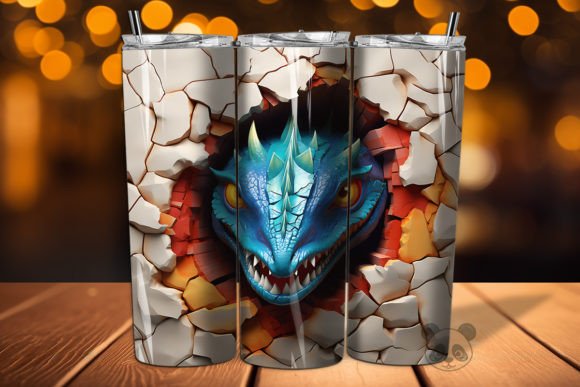
Imagine transforming a standard promotional item into a mythical artifact that captures attention instantly; this is the power of integrating the 3D Dragon Scales Cracked Hole Tumbler design into your creative workflow. For graphic designers and brand strategists, the difference between a forgettable product and a viral sensation often lies in the depth, texture, and narrative quality of the visual assets chosen. This specific design trend moves beyond flat imagery, offering a tactile illusion that engages viewers on a sensory level before they even touch the physical object.
In the realm of modern graphic design, texture is not merely decorative; it is a communicative tool. The concept of a 3D dragon scale pattern with a cracked hole effect introduces a layer of complexity and storytelling that flat colors cannot achieve. When applied to sublimation projects, such as a 20 oz skinny tumbler, these elements create a visual hierarchy that guides the eye and stimulates curiosity. The "cracked hole" element adds an edge of ruggedness or mystery, making the design suitable for brands that want to project strength, resilience, or fantasy-inspired aesthetics.
The Role of Texture in Brand Identity
Strong brand identity relies on consistency and distinctiveness. Utilizing high-resolution assets like the 3D Dragon Scales Cracked Hole Tumbler Background allows creators to extend their brand language onto merchandise with professional polish. In packaging design and product customization, the perception of quality is heavily influenced by surface detail. A seamless pattern that mimics the organic structure of dragon scales suggests craftsmanship and attention to detail, qualities that consumers subconsciously associate with premium brands.
Furthermore, these designs offer versatility across various creative projects. While initially conceived for tumblers, the underlying seamless pattern can be adapted for:
- Social media graphics: Creating textured backgrounds for posts that need to stand out in a crowded feed.
- Web design and UI: Using subtle scale textures as section dividers or hero background overlays to add depth without compromising readability.
- Editorial layouts: Enhancing magazine spreads or digital lookbooks with thematic borders or watermarks.
- Advertising campaigns: Developing cohesive visual themes for fantasy gaming launches, comic conventions, or niche lifestyle products.
Practical Applications for Designers
When incorporating such detailed assets into your design workflow, understanding the technical specifications is crucial for maintaining professional presentation. The provided PNG files, typically at 300 DPI, ensure that the intricate details of the scales and the cracked effects remain sharp during the printing process. This resolution is vital for print design, where pixelation can instantly degrade the perceived value of the final product.
For those working in digital marketing, these assets serve as excellent foundations for mockups. Displaying a client's logo on a realistic 3D tumbler wrap helps stakeholders visualize the end result, facilitating faster approval times. The interplay of light and shadow inherent in a 3D design reduces the need for extensive post-processing, allowing designers to focus on composition and typography integration.
Selecting and Evaluating Visual Assets
To maximize the impact of designs like the 3D Dragon Scales Cracked Hole Tumbler, consider the following factors during selection:
- Scalability: Ensure the pattern repeats seamlessly if extended beyond the standard tumbler wrap dimensions.
- Color Palette Compatibility: Assess how the dragon scale tones interact with your existing brand colors. Watercolor variations offer a softer approach, while high-contrast 3D renders provide bold statements.
- Audience Expectations: Align the intensity of the "cracked" effect with your target demographic. A subtle crack might suit a luxury aesthetic, while a pronounced fracture appeals to edgier markets.
- Readability: If overlaying text or logos, ensure the background texture does not compete with the foreground elements. Adjust opacity or add overlay layers to maintain visual clarity.
Ultimately, the goal of any design asset is to enhance communication. Whether you are creating a unique piece of merchandise or developing a comprehensive branding suite, the quality of your foundational images dictates the success of the project. By leveraging sophisticated textures and 3D effects, designers can elevate ordinary objects into extraordinary experiences. Thoughtful integration of these elements ensures that every visual touchpoint reinforces the brand's story, proving that in today's competitive landscape, the devil—and the dragon—is truly in the details.