3D Rendered Isometric Living Room Guide
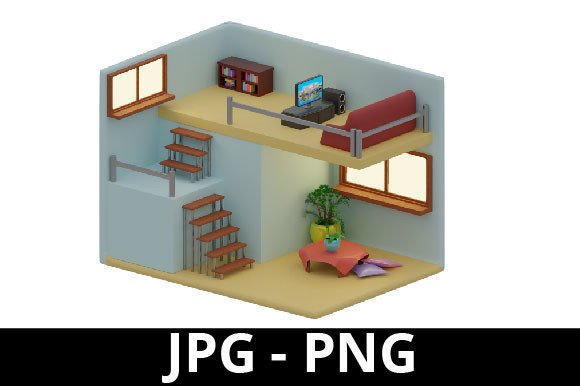
Imagine a space where every piece of furniture floats in perfect perspective, offering a clear view of the layout without the distortion of traditional vanishing points. This is the unique appeal of a 3d rendered isometric living room. Unlike standard photography or realistic 3D visualization that mimics human eye perception, isometric projection maintains parallel lines and consistent scale throughout the image. The result is a clean, diagrammatic, yet highly detailed representation of an interior space that feels both technical and artistic.
When you download a high-quality asset pack containing these renders, you are not just getting a picture; you are acquiring a versatile tool for communication. Whether the file format is a crisp PNG with a transparent background or a high-resolution JPG, the utility extends far beyond simple decoration. These models bridge the gap between abstract floor plans and fully realized emotional spaces, making them invaluable for a wide range of projects.
Why Perspective Matters in Design Communication
The primary reason different audiences gravitate toward 3d rendered isometric living room visuals is clarity. In a standard perspective render, objects further away appear smaller, which can sometimes obscure the relationship between furniture pieces or hide specific design details. Isometric views eliminate this issue. Every corner of the room, from the texture of the sofa to the placement of the window, is visible with equal importance.
For professionals, this means being able to showcase a layout strategy effectively. For hobbyists, it offers a way to visualize a dream apartment without needing advanced knowledge of architectural drafting. The style often leans towards a cartoon or stylized aesthetic, which lowers the barrier to entry for viewers who might find hyper-realistic architectural visualizations too cold or corporate. It invites the viewer to explore the inside of the house as if it were a carefully constructed diorama.
Tailored Applications for Different Creators
The value of these assets shifts depending on who is using them. A one-size-fits-all approach rarely works in creative fields, and understanding how your specific role interacts with these files can help you maximize their potential.
For Architects and Interior Designers
If you are a professional in the building or architecture sector, speed and clarity are your currencies. You might use a pre-made 3d rendering of a living room to quickly present a concept to a client who struggles to read blueprints. Instead of spending days modeling a scene from scratch, you can import a base model, swap out textures to match your material palette, and adjust the lighting. The priority here is flexibility and presentation. You need the ability to demonstrate how a specific sofa fits against a wall or how natural light from a window interacts with the floor.
For Marketers and Content Creators
Bloggers, social media managers, and digital marketers often need eye-catching visuals that stop the scroll. A 3d rendered isometric living room provides a modern, tech-savvy look that stands out against generic stock photography. Because these images often feature a clean, uncluttered composition, they serve as excellent backgrounds for text overlays, infographics, or product placements. If you are promoting home goods, real estate apps, or interior design services, these assets offer high commercial value without the licensing headaches of photographing real locations.
For Educators and Students
In an educational setting, these models serve as powerful teaching aids. An instructor explaining spatial reasoning, furniture arrangement, or color theory can use an isometric view to ensure every student sees the same details simultaneously. For students learning 3D software, analyzing a well-constructed isometric scene provides insight into proper modeling topology, lighting setups, and texturing workflows. The focus here is on learning value and understanding the underlying concept of the design.
For Game Developers and Hobbyists
The gaming industry has seen a resurgence of isometric styles, from simulation games to narrative adventures. Indie developers often lack the resources to build entire cities from scratch. A ZIP folder containing varied furniture objects, decor items, and complete room layouts can accelerate prototype development. Similarly, hobbyists who enjoy virtual home staging or digital art can use these assets to create relaxing, comforting scenes that emphasize comfort and relaxation without needing to master complex modeling tools.
Evaluating Quality and Usability
Not all 3D assets are created equal. When selecting a 3d rendered isometric living room package for your project, consider several key factors beyond just the visual appeal of the preview image.
- File Formats: Ensure the download includes the formats you need. A PNG with transparency is essential for graphic design work, allowing you to place the room over any background. A JPG is suitable for full-screen presentations. If the source files (like .OBJ, .FBX, or .BLEND) are included, check if the software you use supports them.
- Modularity: Is the room a single flattened image, or are the objects separate? High-value packs often allow you to move the seat, change the tv position, or remove specific decoration elements. This modularity increases the long-term usefulness of the asset.
- Lighting and Atmosphere: Does the render convey the right mood? A living room should feel inviting. Look for soft shadows and warm tones that suggest a comfortable, lived-in space rather than a sterile showroom.
- Resolution: For print materials or large displays, low-resolution renders will pixelate. Verify that the images are high enough resolution to remain crisp when scaled.
Making the Right Choice for Your Project
Deciding whether to invest time in customizing a template or buying a ready-to-use render comes down to your project constraints. If you are working on a tight deadline for a marketing campaign, a pre-rendered 3d rendered isometric living room is the logical choice. It offers immediate speed and reliability. You know exactly what the final output looks like before you even download it.
However, if your goal is to showcase a unique architectural feature or a specific custom furniture line, you may need a model that allows for deeper manipulation. In this case, prioritize assets that come with editable source files. Beginners should look for packages that include documentation or tutorials, as this adds significant educational value and reduces the frustration of troubleshooting incompatible files.
Ultimately, the versatility of isometric visualization lies in its ability to simplify complexity. It strips away the unnecessary noise of photorealism to focus on the essence of the interior design. Whether you are an entrepreneur pitching a new housing concept, a freelancer designing a website banner, or a consumer planning a renovation, these tools provide a clear window into the potential of a space. By understanding your specific needs regarding cost, quality, and flexibility, you can select the right assets to bring your vision to life efficiently and creatively.